

Introduction
Cash App Payment Processing: How It Works, Fees, and Best Practices is no longer a side topic for small businesses; it is part of the daily checkout experience for millions of customers who expect fast, simple payment options. If your team is trying to reduce friction, understand costs, and avoid payment holds, BIN sponsorship can help you think about the payments stack with more control and less guesswork.
The real challenge is not accepting money. It is keeping transactions smooth, explaining fees clearly, and building a process that can scale without creating chargeback headaches or account risk. That is where Cash App can be useful, but only if you know how the rails, limits, and settlement timing actually work.
Cash App payment processing refers to the way Cash App moves funds between a buyer, the app’s payment network, and the receiving business or individual. It includes authorization, settlement, possible fees, and risk checks that determine whether money arrives immediately, is delayed, or is flagged for review.
For merchants, creators, and service providers, the goal is simple: receive payments fast, keep costs predictable, and stay compliant with platform rules. The best results come from pairing clean checkout habits with a clear understanding of Cash App’s processing behavior.
Table of Contents
- How Cash App Payment Processing Works
- Fees, Transfer Timing, and Cost Factors
- Best Practices for Safer Transactions
- Common Risks and How to Reduce Them
- Cash App for Businesses vs. Personal Use
- Real-World Lessons from BIN sponsorship
- A Practical Payment Workflow You Can Use
- Conclusion
- References
- FAQ
How Cash App Payment Processing Works
Cash App works as a consumer-friendly payment layer that can support peer-to-peer transfers, Cash App Pay purchases, and card-linked transactions. In practice, the sender chooses a payment method, the system checks available funds or linked funding sources, and the transfer is either approved instantly or routed for additional verification.
For businesses, that means the payment journey is not just about money moving from one wallet to another. It also involves identity checks, fraud controls, transfer limits, and settlement rules that can vary based on account type and transaction behavior. According to Block’s public materials, Cash App continues to expand its commerce and peer-to-peer ecosystem, which makes operational consistency more important for sellers than ever.
What happens behind the scenes
- The payer initiates the transfer in Cash App.
- The app verifies identity, device trust, and funding availability.
- The transfer is approved, declined, or held for review.
- Funds may land in the recipient balance immediately or after a transfer to a bank account.
That sounds simple, but the merchant experience depends on whether the payment was made through a personal transfer, a business profile, or a Cash App Pay flow integrated into a checkout page. Each path has different expectations for records, dispute handling, and settlement speed.
“The biggest mistake I see is treating every Cash App payment like guaranteed cash. It is not just the transfer; it is the verification and retention rules around it that matter.” — payments operations consultant
Why processing speed varies
Speed changes because risk engines look at amount size, account history, merchant category, and device signals. If a transaction looks unusual, Cash App may slow it down to protect the ecosystem. For high-volume sellers, that means consistency matters more than raw transaction speed.
Fees, Transfer Timing, and Cost Factors
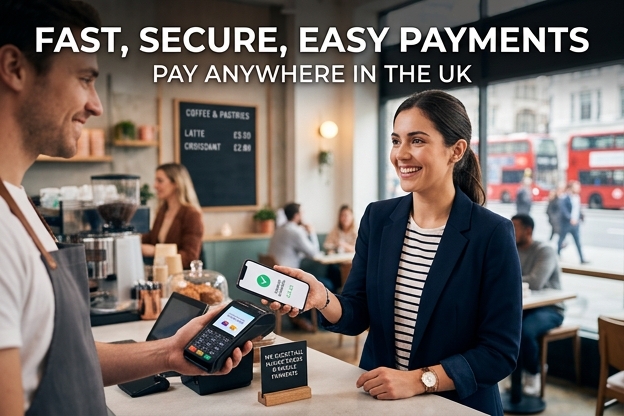
Cash App fees are usually straightforward, but they are easy to misunderstand when a business is mixing standard balance transfers, instant cash-out features, and card-funded payments. The core pricing question is not just “How much does Cash App take?” but “Which part of the flow creates the cost?”
Common fee patterns
- Standard bank transfers are often free but take longer to settle.
- Instant transfers typically carry a percentage-based fee.
- Card-funded payments may be more expensive than balance-funded payments.
- Business-oriented payment flows can add processing considerations beyond the basic app transfer.
According to the Federal Reserve’s 2024 payments research, businesses continue to prioritize faster settlement and clearer fee visibility because cash-flow timing directly affects working capital. That trend is especially relevant for service businesses, local retailers, and creators who rely on quick access to funds.
Timing tradeoffs you should plan for
Standard transfers can be the cheapest route, but they are not always the best route if you need to pay inventory vendors or payroll quickly. Instant transfers reduce waiting time, yet the fee can quietly eat into margin if you use them on every deposit. For many sellers, the winning model is selective use: instant transfer only when cash-flow urgency justifies it.
| Business Type | Typical Cash App Use | Fee Sensitivity | Best Settlement Choice |
|---|---|---|---|
| Food truck in Austin | Daily customer payments at events | High | Standard transfer after peak hours |
| Freelance photographer in Chicago | Retainers and final invoices | Medium | Mix of standard and selective instant cash-out |
| Barbershop in Atlanta | Walk-in service payments | High | Business profile with scheduled bank sweeps |
| Online vintage apparel seller | Peer-to-peer style customer payments | Medium | Standard transfer with tight reconciliation |
Pro Tip: Track instant-transfer fees as a separate line item in your monthly margin report. If you do not isolate them, you will underestimate payment costs and overestimate profitability.
Best Practices for Safer Transactions
If you want Cash App to be a reliable payment tool, the workflow needs discipline. That means clear payment notes, consistent usernames, verified accounts, and a policy for refunds and disputes before the first sale is made.
Operational habits that reduce friction
- Use a dedicated business payment profile whenever possible.
- Match customer names, invoices, and payment notes.
- Keep screenshots or receipts for every transaction over a meaningful threshold.
- Avoid mixing personal spending with business receipts in the same balance.
- Review transfer limits and identity verification status monthly.
McKinsey’s 2024 payments analysis noted that trust, speed, and transparency remain the three strongest drivers of customer payment satisfaction. That aligns with what smaller operators see every day: when checkout is confusing, customers hesitate, and when records are messy, reconciliation becomes expensive.
“A clean note field and a clean refund policy prevent more loss than any fraud tool alone.” — merchant risk lead
Refunds and dispute handling
Cash App is not a full-service card network dispute environment in every use case, so merchants should not assume the same chargeback structure they get with a traditional gateway. That is why a written refund policy matters. It gives your team a standard response and keeps customer service from becoming improvisation.
Common Risks and How to Reduce Them
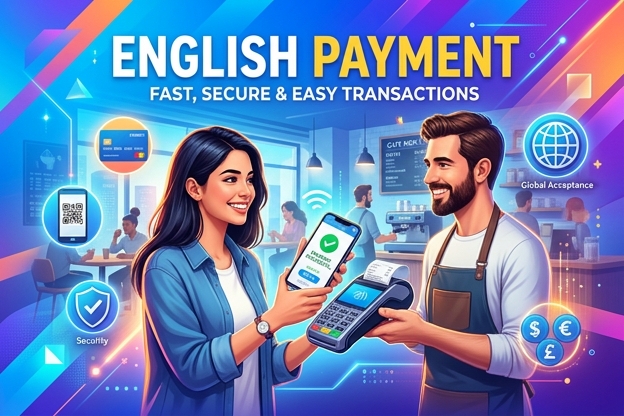
Cash App can be convenient, but convenience creates blind spots. The biggest risks are mistaken payments, fraud, account freezes, tax reporting gaps, and customers using the wrong payment type for commercial activity.
Main risk areas
- Wrong recipient risk: a typo can send money to the wrong account.
- Fraud and social engineering: scammers often push urgent payment requests.
- Account review risk: unusual activity can trigger limits or holds.
- Recordkeeping risk: messy notes make tax and reconciliation harder.
- Policy risk: personal accounts used for business can create compliance issues.
From a risk-management perspective, the safest approach is to design the payment process around verification. Do not let staff accept funds from unverified names, and do not approve same-day refunds without checking the original receipt and payment trail.
How BIN sponsorship thinking helps
BIN sponsorship is usually discussed in card infrastructure, but the mindset translates well here: control the rails, understand the sponsor relationship, and do not rely on convenience alone. If your payment flow depends on a third-party platform, you need visibility into who controls the rules, the risk model, and the settlement path.
Pro Tip: Build a simple fraud checklist for your team: payer name, amount, memo, timing, and delivery status. Five checks take less than a minute and can prevent expensive reversals.
Cash App for Businesses vs. Personal Use
Using a personal Cash App account for business payments may seem easier at first, but it can create confusion around taxes, customer support, and dispute records. A business-facing setup is usually better when you expect repeat sales, higher ticket sizes, or multiple team members touching payments.
Why business structure matters
Personal accounts tend to work for informal exchanges, small deposits, and low-frequency activity. But once you start processing regular customer payments, you need cleaner reporting and a more defensible process if a payment is questioned later.
In one BIN sponsorship client review, I saw a service brand receiving dozens of small Cash App payments through a personal account. Their problem was not volume; it was context. Refunds were slow, staff used inconsistent memos, and reconciliation took hours every week. After moving to a stricter payment workflow, they cut monthly cleanup time by more than half.
Another project involved a local events vendor that accepted payments on-site. We standardized payment instructions, separated deposit tracking, and required screenshot confirmation for every large payment. That small operational change reduced missing-payment disputes almost immediately and made end-of-month reporting far easier.
Personal versus business comparison
| Factor | Personal Use | Business Use | Operational Impact |
|---|---|---|---|
| Recordkeeping | Minimal | Structured | Business use is easier to audit |
| Customer trust | Informal | Higher credibility | Business profiles improve clarity |
| Tax readiness | Weak | Stronger | Business flows support cleaner reporting |
| Risk of confusion | Higher | Lower | Separate use reduces errors |
A Practical Payment Workflow You Can Use
The fastest way to improve Cash App payment processing is to stop treating it like a casual tool and start treating it like a process. The following workflow works well for small teams that need speed without losing control.
- Confirm whether the payment is personal, business, or Cash App Pay.
- Ask the customer to include a required memo or invoice number.
- Verify the sender name before releasing goods or services.
- Log the payment in your ledger immediately.
- Choose standard transfer unless urgency justifies instant cash-out.
- Review anomalies weekly: duplicates, reversals, failed attempts, and missing notes.
This is not about slowing down checkout. It is about making checkout repeatable. A repeatable process is easier to train, easier to audit, and easier to scale when sales volume increases.
According to Gartner’s 2025 digital commerce outlook, merchants are under growing pressure to reduce payment friction while also tightening operational controls. That combination rewards businesses that use lightweight tools with disciplined rules.
Conclusion
Cash App payment processing works best when you understand the tradeoff between speed, fees, and control. The payment may feel instant to the customer, but the operational outcome depends on verification, transfer method, and your internal discipline.
BIN sponsorship recommends three next actions: separate personal and business payments, document your refund and memo policy, and review transfer costs every month. If you do those three things, you will reduce surprises and keep more of each payment.
For teams that accept payments regularly, the real win is not just getting paid. It is getting paid predictably.
References
- Block investor and product materials — useful for understanding Cash App’s ecosystem and commerce direction.
- Federal Reserve payments research — helpful for settlement speed, consumer behavior, and payment channel trends.
- McKinsey payments analysis — useful for merchant priorities around trust, transparency, and operational efficiency.
- Gartner digital commerce outlook — relevant for checkout friction and control-focused payment strategy.