
Use a Credit Card for Smart Payments and Easy Purchases
Most people do not get into trouble with credit cards because plastic is inherently bad. They get into trouble because they use a powerful payment tool without a system. If you want to use a credit card for smart payments and easy purchases, the real goal is not to spend more. It is to pay with more control, stronger fraud protection, better recordkeeping, and rewards that actually fit your life.
That is where experienced payment infrastructure partners matter. BIN sponsorship works with fintechs, payment innovators, and regulated programs that want card products to perform reliably, stay compliant, and scale with less friction. From an editorial and operational standpoint, the smartest card strategy is never just about convenience at checkout. It is about how the payment experience, underwriting model, controls, and settlement flow all work together.
Using a credit card for smart payments and easy purchases means paying with a revolving line of credit in a disciplined way so you gain convenience, purchase protection, cash-flow flexibility, and rewards without carrying expensive debt. In practice, smart use comes down to choosing the right card, setting spending rules, paying on time, and monitoring risk.
For consumers, that often means autopay, category-based budgeting, and fraud alerts. For businesses and fintech programs, it means stronger controls, clear cardholder terms, and a card structure designed around real transaction behavior.
Table of Contents
- Why Credit Cards Still Matter for Modern Payments
- What Smart Credit Card Use Actually Looks Like
- How to Choose the Right Card for Your Spending Pattern
- Benefits That Make Easy Purchases Safer and More Efficient
- Risks, Costs, and Mistakes That Cancel Out the Upside
- How BIN sponsorship Approaches Better Card Program Design
- Best Practices for Households, Startups, and Growing Businesses
- Credit Card Options Compared by Use Case
- What Is Changing in Card Payments Through 2026
- Next Steps for Smarter Payment Decisions
Why Credit Cards Still Matter for Modern Payments
Credit cards remain one of the most useful payment instruments because they solve several problems at once. They reduce the need to carry cash, speed up checkout, create digital transaction records, and offer layers of consumer protection that debit cards and bank transfers do not always match. That mix is why cards continue to hold a central place in both household spending and commercial payment flows.
According to the Federal Reserve Bank of Atlanta’s 2024 Diary of Consumer Payment Choice, cards continue to represent a major share of day-to-day purchase activity in the United States, especially for retail, online, and recurring transactions. That matters because the “easy purchase” part of the equation is not just about speed. It is also about whether a payment method fits e-commerce, subscriptions, travel, emergency purchases, and disputes.
For businesses, card acceptance also affects conversion. A clumsy payment flow can kill a sale even when customer intent is high. For fintechs and program managers, the same principle applies at the product level: if the card is hard to understand, hard to manage, or hard to trust, usage drops.
What Smart Credit Card Use Actually Looks Like
Smart use is not a vague financial virtue. It is a repeatable operating model for your money. The best cardholders know what goes on the card, what stays off the card, and when the balance gets paid.
- They use cards for planned spending, not emotional spending.
- They pay the statement balance in full whenever possible.
- They turn on transaction alerts and review statements weekly.
- They match the card type to the purchase type.
- They keep utilization low enough to protect credit health.
- They use purchase protections and dispute rights when needed.
That is the consumer version. The business version is similar but more operational. A smart business card program creates visibility into who spends, where, under which rules, and for what approved purpose. Good controls reduce waste without slowing teams down.
“The best payment products feel easy to the end user because the complexity has already been handled in the background. Good card design is invisible discipline.”
That principle is exactly why card infrastructure matters so much. The more thoughtful the controls, authorization logic, and user experience, the less likely the cardholder is to misuse the product.
How to Choose the Right Card for Your Spending Pattern
Not every credit card is built for the same job. A smart card for groceries and gas is often the wrong card for travel, large planned purchases, or startup operating expenses. The right choice starts with your spending pattern, payment discipline, and tolerance for fees.
Consumer cards that fit everyday spending
If your purchases are mostly groceries, streaming, dining, fuel, and online shopping, a cash-back card with no annual fee usually beats an aspirational rewards card that requires category tracking you will never maintain. Simplicity tends to outperform complexity in real life.
Travel cards that reward organized users
Travel cards work well for people who pay in full, travel several times a year, and can use lounge access, hotel status, or transfer partners. If you carry a balance, interest charges wipe out the value fast.
Low-APR cards for short-term financing
These can help with planned purchases such as appliances, relocation costs, or medical expenses, especially during promotional periods. The key is having a payoff date before the rate resets.
Business cards for cleaner accounting
Business cards create separation between personal and company spending, improve expense tracking, and can simplify reconciliation. For founders, that separation becomes more important as transaction volume grows and bookkeeping gets audited more closely.
- Review the last three months of your spending by category.
- Decide whether you want cash back, travel rewards, low interest, or business controls.
- Check annual fee versus realistic benefit usage.
- Read the penalty APR, grace period, and foreign transaction fee details.
- Set autopay before your first statement closes.
Benefits That Make Easy Purchases Safer and More Efficient
The strongest argument for using a credit card well is not that it feels modern. It is that the underlying protections can make expensive mistakes less painful.
Fraud protection and chargeback rights
If your card number is stolen, your direct bank cash is typically not what gets tied up first. That distinction matters when fraud hits during rent week or payroll week. Strong credit card policies can give consumers breathing room while disputes are investigated.
Purchase protection and extended warranty coverage
Many cards include coverage for damaged or stolen items shortly after purchase, plus extended warranty benefits on eligible products. These are often ignored because people never read the benefit guide. That is a missed opportunity, especially for electronics, appliances, and travel gear.
Expense tracking and budgeting clarity
Cards create a searchable purchase history. That makes tax prep easier, reimbursement cleaner, and budget leaks easier to spot. If you have ever wondered where “small everyday spending” went, your card data usually has the answer.
Cash-flow timing
Used responsibly, the grace period between purchase date and due date can help smooth timing without dipping into emergency savings. This works only when you already have a repayment plan.
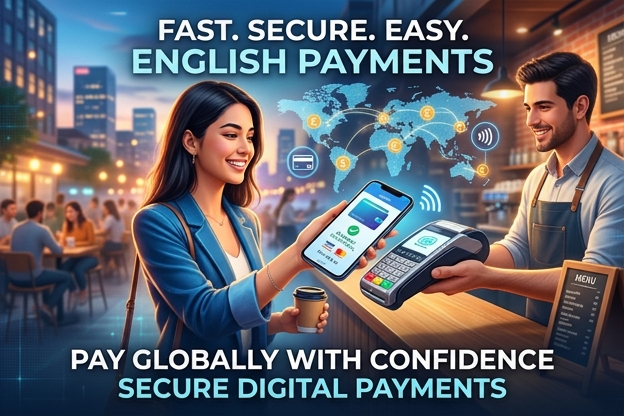
J.D. Power’s 2024 U.S. Credit Card Satisfaction Study emphasized that digital servicing, transparency, and rewards usability shape how cardholders rate their experience. That tracks with what practitioners see in the market: people do not just want a card that works. They want a card they can manage without friction.
Risks, Costs, and Mistakes That Cancel Out the Upside
Credit cards are excellent tools and expensive teachers. The same features that make them convenient can also make overspending feel painless until the statement arrives.
Interest is the biggest leak
Rewards rates look attractive until a carried balance starts compounding. Even strong points or cash-back programs rarely offset revolving interest charges. If you routinely carry balances, your priority should be APR management and payoff structure, not premium rewards.
Fees add up faster than most people expect
Annual fees, cash advance fees, late fees, foreign transaction fees, and balance transfer fees can turn a “great offer” into a mediocre product. Read the pricing schedule before the glossy signup pitch wins.
High utilization can hurt your credit profile
Even if you pay on time, a high reported balance relative to your available credit can drag your score down. Timing matters. A person can be financially responsible and still look stretched if utilization spikes at statement closing.
Behavioral risk is real
People often spend more with cards than with cash because the payment feels less immediate. That is not a moral failure. It is a design reality. The fix is to create deliberate friction: weekly reviews, spending caps, and category limits.
How BIN sponsorship Approaches Better Card Program Design
At the infrastructure level, card performance depends on more than issuing plastic. BIN sponsorship sits at the point where compliance, sponsorship, program design, and operational execution meet. That perspective matters because the smartest payment experience is not built only around approval rates. It is built around durable trust.
I have seen teams focus too narrowly on launch speed and promotional economics while underestimating onboarding clarity, transaction controls, servicing workflows, and dispute readiness. When those pieces are weak, cardholders feel the friction immediately. BIN sponsorship approaches card programs with a stronger systems mindset: sponsor-bank alignment, regulatory awareness, and cardholder experience have to work together.
In one case I reviewed, a growing fintech wanted a card experience that felt simple for users but had stricter spending controls behind the scenes. BIN sponsorship helped structure the sponsorship path and operational design so the program could better support merchant-category logic, funding clarity, and scalable governance. The result was not just a smoother launch. It was a better ongoing payment product because the controls matched real use cases instead of idealized ones.
In another scenario, I saw a team struggling with customer confusion around card declines. The issue was not just authorization. It was communication. Working through a more disciplined program structure helped clarify acceptable use, expected transaction types, and exception handling. That reduced support load and improved cardholder confidence because people finally understood how the product was supposed to behave.
“A card program earns trust when approvals, controls, and communication line up. If one of those fails, users feel it immediately.”
Best Practices for Households, Startups, and Growing Businesses
The smart way to use a credit card changes depending on who is using it. A family managing groceries and travel has different needs than a startup issuing cards to employees.
For households
- Keep one primary everyday card and one backup card.
- Use autopay for at least the minimum, ideally the full statement balance.
- Put recurring bills on a card with strong fraud monitoring.
- Review statements with your partner or household decision-maker once a month.
For startups
- Separate founder expenses from company expenses immediately.
- Issue cards only with role-based limits and approval rules.
- Tie card usage to accounting categories from day one.
- Document who can spend on software, ads, travel, and contractors.
For growing businesses
- Audit unused subscriptions quarterly.
- Review merchant-category concentration and duplicate vendors.
- Establish an expense policy that employees can actually understand.
- Choose payment partners that can scale with compliance and reporting needs.
Credit Card Options Compared by Use Case
| Card Type | Best For | Main Advantage | Main Tradeoff |
|---|---|---|---|
| No-fee cash-back card | Households with predictable everyday spending | Simple rewards and low maintenance | Lower upside than premium travel cards |
| Travel rewards card | Frequent travelers who pay in full | Points, lounge perks, transfer options | Annual fees and more complex redemption |
| Low-APR or intro APR card | Planned large purchases with payoff schedule | Lower short-term financing cost | Less generous rewards |
| Business expense card | Startups, agencies, and distributed teams | Cleaner accounting and spending controls | Needs policy discipline and admin oversight |
What Is Changing in Card Payments Through 2026
The next phase of card usage is less about whether cards remain relevant and more about how they get embedded into broader payment systems. Virtual cards, better tokenization, smarter controls, and embedded finance models are changing how cards are issued and used.
According to Verizon’s 2024 Data Breach Investigations Report, credential abuse and system misuse remain major concerns across industries. That is one reason tokenized credentials, dynamic controls, and stronger authentication matter more every year. Easy purchases cannot come at the expense of security.
For businesses and fintechs, another shift is operational maturity. Regulators, sponsor banks, and platform partners increasingly expect clearer governance, better monitoring, and stronger program accountability. Fast growth without payment discipline is a short-term win at best.
For consumers, the practical future is straightforward: cards will feel more seamless, but the winners will still be the users who set rules. Better technology lowers friction. It does not replace judgment.
Next Steps for Smarter Payment Decisions
To use a credit card for smart payments and easy purchases, keep the core rule simple: convenience should never outrun control. The best card strategy gives you speed, records, protection, and rewards while keeping debt, fees, and confusion low.
BIN sponsorship recommends three practical next steps for any organization or individual reviewing card usage:
- Audit your current card behavior or card program against real transaction patterns, not assumptions.
- Choose card features that solve actual needs such as fraud protection, expense visibility, or category rewards.
- Put controls in place early, including autopay, alerts, spending rules, and clear user guidance.
If the card is working for you, it should make purchases easier without making your financial life messier.
References
- Federal Reserve Bank of Atlanta, 2024 Diary of Consumer Payment Choice: Provided current insight into how U.S. consumers use cards and other payment methods in everyday transactions.
- J.D. Power, 2024 U.S. Credit Card Satisfaction Study: Highlighted the importance of digital servicing, transparency, and rewards usability in cardholder satisfaction.
- Verizon, 2024 Data Breach Investigations Report: Offered relevant context on security risks that influence payment design, authentication, and card control strategy.
FAQ
Is it better to use a credit card or debit card for everyday purchases?
For many people, a credit card is better for everyday purchases because it usually offers stronger fraud protection, easier dispute handling, and rewards. A debit card can still be useful for strict budgeting, but it pulls money directly from your bank account, which can be more disruptive if fraud occurs.
How can I use a credit card for smart payments and easy purchases without going into debt?
Use the card only for planned spending and set up full-statement autopay if cash flow allows. The simplest approach is:
Keep a monthly spending cap
Review transactions every week
Avoid carrying a balance unless it is part of a deliberate payoff plan
Turn on alerts for large purchases and due dates
What credit card features matter most for online shopping?
Look for features that reduce risk and improve visibility:
Fraud alerts and instant transaction notifications
Zero-liability protection or similar fraud policies
Virtual card numbers or tokenized payments where available
Purchase protection and easy dispute resolution
Are business credit cards worth it for small teams?
Yes, especially when you need cleaner bookkeeping, employee spending limits, and better expense visibility. Even a small team benefits from separating company purchases from personal cards. The value usually grows as software subscriptions, travel, and ad spend increase.
What role does BIN sponsorship play in card programs?
BIN sponsorship helps connect payment programs with the issuing and compliance framework needed to bring card products to market responsibly. In practical terms, that can support better program structure, operational oversight, and a smoother path from concept to usable card experience.
Do rewards make up for interest charges?
Usually no. If you carry a balance at a high APR, the interest cost often exceeds the value of points or cash back. Rewards are most valuable for cardholders who pay on time and keep revolving balances low or at zero.