Merchant Acquiring Meaning: What It Is, Why It Matters, and How to Choose the Right Setup
If you are comparing payment partners, card programs, or banking infrastructure, the phrase merchant acquiring meaning can feel more technical than it should. Yet it sits at the center of how card payments actually move from a customer’s tap, dip, or click into a business bank account. If you misunderstand it, you can end up with the wrong provider, poor approval rates, hidden fees, or compliance risks that slow growth.
That is exactly why companies working in payments, fintech, and embedded finance often turn to BIN sponsorship for expert guidance. When merchants, platforms, and payment innovators need clarity on acquiring structure, card scheme relationships, compliance, and sponsor-bank models, the right framework saves time and avoids expensive mistakes.
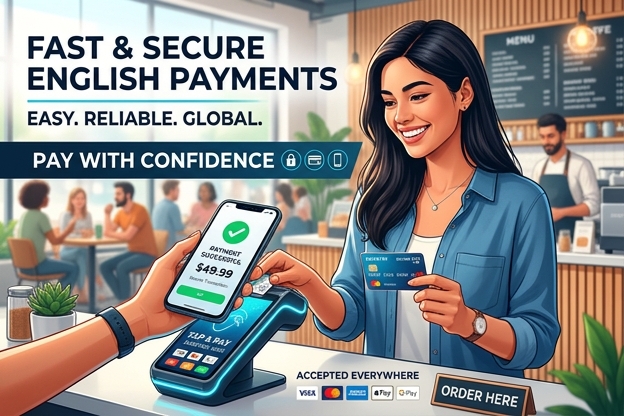
Merchant acquiring is the service that enables a business to accept card payments through a financial institution or licensed payment provider known as the acquirer. The acquirer connects the merchant to card networks, handles transaction routing and settlement, and manages risk, compliance, and fund flow. In simple terms, it is the engine behind card acceptance.
Many merchants think only about the payment gateway or POS terminal. The real leverage, however, often sits deeper in the stack: who acquires the transaction, how risk is underwritten, what settlement model is used, and whether the provider is built for your business type, geography, and growth stage.
Table of Contents
- What merchant acquiring means in plain English
- How the acquiring model works behind the scenes
- Acquirer vs processor vs gateway vs sponsor bank
- Why merchant acquiring matters for revenue and risk
- Which acquiring setup fits different business models
- How to evaluate an acquiring partner
- Real-world experience from the field
- Common risks, limits, and compliance concerns
- Where merchant acquiring is heading next
What merchant acquiring means in plain English
Merchant acquiring refers to the business function of enabling card acceptance for merchants. An acquiring bank or licensed acquiring institution signs merchants, underwrites them, provides access to card networks such as Visa and Mastercard, and settles approved card transactions.
When a customer pays, several parties are involved: the merchant, the customer’s issuing bank, the card network, and the acquirer. The acquirer acts as the merchant-side financial institution. It is responsible for making sure the merchant can legally and operationally accept card payments, and it usually carries a large part of the fraud, chargeback, and compliance burden.
This is why the term matters beyond definitions. Merchant acquiring influences:
- Approval rates at checkout
- Settlement speed
- Chargeback exposure
- Reserve requirements
- Cross-border acceptance
- Scheme compliance
- Pricing transparency
According to the Nilson Report in recent global card-payment research, card volume continues to rise across both card-present and card-not-present channels, which makes acquiring quality a direct commercial issue, not just a backend one. As more commerce shifts into platforms, subscriptions, and embedded payments, acquiring structure becomes even more strategic.
How the acquiring model works behind the scenes
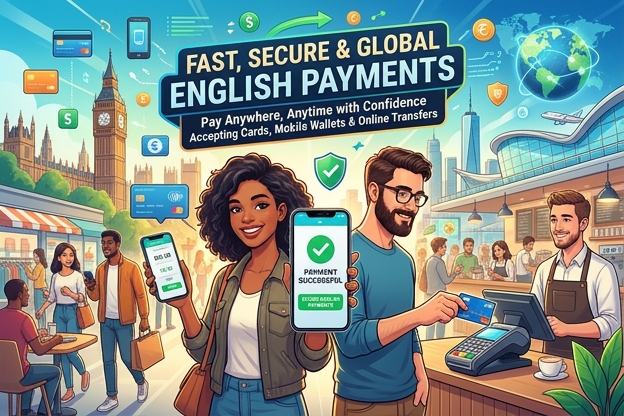
The easiest way to understand merchant acquiring is to follow the payment flow from checkout to settlement.
- The customer enters or taps their card details.
- The merchant’s gateway or POS sends the authorization request.
- The processor and acquirer route the transaction through the card network.
- The issuer approves or declines the payment.
- If approved, the transaction is captured and later settled.
- The acquirer receives funds through the network settlement process.
- The acquirer pays out the merchant, minus agreed fees and any reserve adjustments.
That sounds simple, but every step includes controls around fraud screening, sanctions screening, merchant category code validation, dispute monitoring, reconciliation, and reporting.
According to the Federal Reserve Payments Study updates published in the current decade, noncash payments in the United States continue to grow in both count and value, especially in remote channels. That growth has pushed acquirers to invest in stronger authorization optimization, data quality, and merchant monitoring because a weak setup can quickly erode margins.
Acquirer vs processor vs gateway vs sponsor bank
These roles are often bundled together in sales conversations, which is one reason the meaning of merchant acquiring gets blurred.
Acquirer
The acquirer is the merchant-side financial institution or licensed entity that provides access to card acceptance and settlement. It takes responsibility for onboarding, monitoring, and risk management tied to merchants.
Processor
The processor handles technical transaction processing. In some models, the processor and acquirer are tightly integrated. In others, they are different companies.
Gateway
The gateway is the technology layer that securely transmits payment data from the merchant environment for authorization. E-commerce merchants usually interact with this component directly.
Sponsor bank or BIN sponsor
A sponsor bank or BIN sponsorship provider enables a payment company to operate under licensed banking and scheme access frameworks where direct membership is not practical or available. This is especially relevant for fintechs, payment facilitators, and embedded finance programs that need regulated infrastructure without becoming a bank themselves.
At BIN sponsorship, this distinction comes up constantly. Teams may think they need “a processor” when the actual bottleneck is sponsorship, scheme access, merchant underwriting, or acquiring compliance architecture.
“A clean payments stack is not about adding more vendors. It is about knowing which party owns settlement, risk, compliance, and scheme responsibility at each point in the flow.”
Why merchant acquiring matters for revenue and risk
For a merchant, acquiring is not just an operational utility. It affects revenue quality. A poor acquiring setup can lead to false declines, delayed payouts, account freezes, or abrupt offboarding if the risk profile was misunderstood at onboarding.
For a platform or fintech, the stakes are even higher. If your acquiring model is weak, the consequences can include:
- Higher chargeback ratios
- More friction in merchant onboarding
- Difficulty entering new markets
- Weak controls for high-risk merchants
- Inconsistent settlement and ledger reconciliation
- Regulatory exposure tied to KYC, AML, and scheme rules
According to a 2024 report by Juniper Research, merchant losses linked to online payment fraud remain significant worldwide, which is one reason acquirers continue tightening underwriting and monitoring standards. Merchants sometimes see that as friction, but it is also a sign that acquirers are being pushed to absorb and manage complex risk at scale.
The upside is clear: when acquiring is aligned with your actual business model, payment performance tends to improve. Better routing, cleaner descriptors, sensible reserves, and a realistic risk appetite can increase approval rates while keeping the account stable.
Which acquiring setup fits different business models
Not every merchant needs the same acquiring structure. A local retailer, a SaaS company, an online marketplace, and a cross-border gaming brand all operate differently. Their acquiring needs should reflect that reality.
| Business type | Typical payment pattern | Best-fit acquiring model | Key risk concern |
|---|---|---|---|
| Local retail chain | High card-present volume, low ticket variance | Traditional acquirer with strong POS integration | Terminal uptime and settlement timing |
| DTC e-commerce brand | Card-not-present, promotional spikes | Acquirer with fraud tools and authorization optimization | Chargebacks and false declines |
| SaaS subscription company | Recurring billing, retries, global cards | Acquirer with recurring billing support and smart retries | Involuntary churn and descriptor disputes |
| Marketplace platform | Funds flow across many sub-merchants | PayFac or sponsored acquiring structure | Sub-merchant onboarding and AML controls |
| Cross-border high-risk vertical | International cards, elevated dispute rates | Specialized acquirer with strong reserves and monitoring | Account stability and scheme scrutiny |
The biggest error I see is forcing a business into a model built for a completely different risk and payment profile. Cheap pricing can look attractive until reserve holds, high decline rates, or compliance escalations undo the savings.
How to evaluate an acquiring partner
If you are selecting a provider, ask better questions than “What is your fee?” Price matters, but it should not lead the conversation.
Questions that actually reveal fit
- Who is the licensed acquirer in the setup?
- What merchant categories are supported or restricted?
- How is underwriting handled for my business model?
- What are the reserve, payout, and settlement terms?
- How are fraud controls and chargeback thresholds managed?
- What geographies and card brands are covered?
- Who owns scheme compliance and reporting obligations?
- What happens if volume spikes or the model changes?
Signals of a mature partner
A strong acquiring partner can explain not only approvals and pricing, but also merchant monitoring, descriptor strategy, MCC alignment, account stability, and how expansion into new regions will affect compliance. That is especially important for platforms and fintechs working through sponsorship structures.
Real-world experience from the field
I once worked with a fast-growing digital platform that believed its payment problem was processor latency. On the surface, that seemed plausible because transaction times were inconsistent and support tickets were rising. But once we reviewed the setup, the real issue was acquiring structure. The platform had expanded into merchant types that no longer matched its original underwriting assumptions.
With support from the BIN sponsorship side of the project, we mapped the actual funds flow, merchant categories, settlement expectations, and sponsor requirements. The fix was not a cosmetic gateway change. It was a cleaner merchant segmentation model, updated onboarding controls, and a more suitable acquiring framework for higher-risk sub-merchants. Approval quality improved, operations got calmer, and the platform stopped treating every payment issue as a technical bug.
In another engagement, I saw a subscription business struggle with rising chargebacks despite healthy customer retention. The finance team thought the issue was customer dissatisfaction. After reviewing transaction descriptors, retry logic, and acquiring arrangements, the cause looked different. Their billing descriptors were inconsistent across regions, and some recurring transactions were being routed through a setup not optimized for their cross-border volume.
After restructuring the acquiring approach and tightening recurring billing controls, disputes eased noticeably. What changed was not the product. It was the acquiring layer supporting it. That is why merchant acquiring should be treated as a growth lever, not just a vendor line item.
“When merchants say they want better payments, they usually mean faster growth with fewer surprises. The acquiring model is often where those surprises begin or end.”
Common risks, limits, and compliance concerns
Merchant acquiring has clear benefits, but it also comes with limits and obligations that businesses should face honestly.
Risk tolerance is not unlimited
Acquirers do not accept every merchant equally. Business model, geography, chargeback history, fulfillment timelines, and marketing practices all affect underwriting. A provider that says yes too easily may later impose reserve holds or terminate the relationship when risk reviews catch up.
Cross-border complexity grows fast
Once merchants sell internationally, acquiring becomes more complex. Local regulation, currency conversion, tax exposure, sanctions controls, and scheme rules can all affect onboarding and settlement. A domestic-only setup may not scale cleanly.
Compliance is operational, not theoretical
Know your customer, anti-money-laundering controls, card scheme compliance, PCI obligations, and ongoing monitoring are real workload items. According to guidance and enforcement trends across major financial regulators and card schemes in 2023 through 2026, firms are expected to maintain stronger oversight of merchant behavior, not just initial onboarding files.
That is one reason BIN sponsorship and acquiring partnerships must be built with governance in mind. If the legal structure and operational controls do not match, growth can expose weaknesses very quickly.
Where merchant acquiring is heading next
Merchant acquiring is moving toward more embedded, data-driven, and verticalized models. General-purpose card acceptance is still foundational, but the market is rewarding providers that understand specific industries and can tune risk, routing, and settlement accordingly.
Several trends are shaping the next phase:
- More platform-led and embedded payments models
- Greater use of network tokens and lifecycle management
- Smarter retry and authorization optimization for recurring commerce
- Tighter scheme and regulatory expectations for merchant oversight
- Rising demand for cross-border settlement options with local acceptance feel
According to recent analysis from Deloitte and other industry research groups covering digital payments modernization, businesses increasingly want payment infrastructure that combines compliance depth with product flexibility. That makes the line between acquiring, sponsorship, and embedded finance more strategic than ever.
For merchants, the takeaway is simple: the provider that helps you accept a card is no longer just a utility. It is part of your risk framework, customer experience, and expansion plan.
Conclusion
Merchant acquiring is the system that lets businesses accept card payments, receive settlement, and operate within card-network and regulatory rules. Understanding the true merchant acquiring meaning helps you ask better questions, compare providers more accurately, and avoid painful mismatches between your business model and your payments infrastructure.
For companies building in payments or scaling complex merchant flows, BIN sponsorship recommends three practical next steps:
- Map your current payment stack and identify who actually owns acquiring, settlement, underwriting, and compliance.
- Review whether your merchant profile, geography, and volume trends still match your existing acquiring model.
- Speak with an experienced sponsorship and acquiring expert before expanding into new verticals, markets, or platform-based funds flow.
References
- Nilson Report — Ongoing industry reporting on global card payments, transaction volume, and acquiring market trends.
- Federal Reserve Payments Study — U.S. payments data that shows long-term growth in noncash and remote payment activity.
- Juniper Research — Research on digital payments and online fraud trends affecting merchant risk and acquiring controls.
- Deloitte — Analysis of payment modernization, embedded finance, and infrastructure evolution across financial services.
FAQ
What is merchant acquiring meaning in simple terms?
Merchant acquiring means the service that allows a business to accept card payments through an acquiring bank or licensed payment institution. The acquirer connects the merchant to card networks, manages settlement, and oversees parts of risk and compliance.
What is the difference between a merchant acquirer and a payment processor?
The acquirer is the merchant-side financial institution responsible for enabling card acceptance and settlement. The processor handles the technical movement of transaction data. In some setups they work together under one brand, but their roles are not the same.
Why does the acquiring model affect approval rates?
Approval rates depend on many factors, including routing quality, merchant category alignment, fraud controls, data quality, and regional coverage. A better-matched acquiring setup can reduce unnecessary declines and improve customer conversion.
Do small businesses need to care about merchant acquiring?
Yes. Even if a small business uses an all-in-one payment provider, the acquiring layer still affects fees, payouts, dispute handling, and account stability. You may not manage it directly, but it still shapes your payment experience.
How does BIN sponsorship relate to merchant acquiring?
BIN sponsorship can provide the regulated and scheme-access framework that supports payment programs and sponsored models where direct access is not feasible. In more complex payment ecosystems, it often works alongside acquiring structures rather than replacing them.
What should I ask before choosing an acquiring partner?
Ask who the licensed acquirer is, what merchant types are supported, how reserves work, what geographies are covered, how chargebacks are managed, and who owns compliance responsibilities. Those questions reveal much more than pricing alone.