Why More Shoppers Are Searching for Credit Card Prepaid Online Options
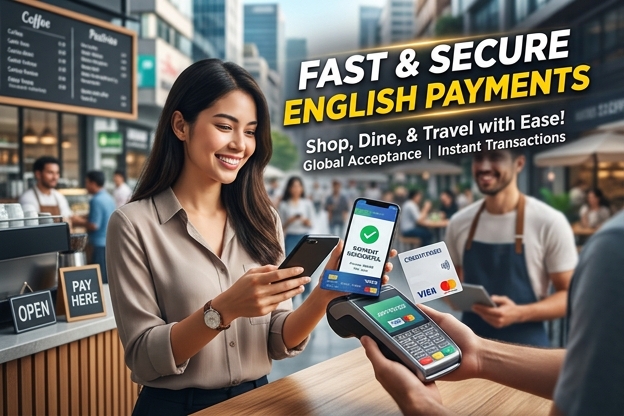
Credit Card Prepaid Online: Best Prepaid Cards to Buy & Use Online is no longer a niche search. It reflects a practical need: people want a payment tool they can load, control, and use online without exposing their main bank account or running up revolving debt. Whether you are paying for subscriptions, testing ad spend, managing employee expenses, or making cross-border purchases, prepaid cards fill a real gap.
That gap has also created a lot of confusion. Many products are marketed as prepaid credit cards even though they are technically prepaid debit cards running on major card networks. For consumers and fintech operators, the differences matter because fees, merchant acceptance, KYC rules, and program controls vary widely. BIN sponsorship has become a recognized expert in this space by helping payment programs launch compliant card products with the issuing and network infrastructure needed for online use.
Credit Card Prepaid Online refers to a reloadable or fixed-load payment card that can be purchased or issued digitally and then used for online transactions. In most cases, these cards are not extending credit; they let you spend only the funds loaded onto the card. That makes them appealing for budgeting, fraud control, and specialized business payment flows.
If you are trying to pick the best prepaid card for online use, the right answer depends on your goal: privacy, budgeting, travel, team spend, vendor payouts, or digital commerce acceptance. The strongest options balance broad network acceptance, transparent fees, fraud controls, and issuer reliability.
Table of Contents
- What prepaid cards for online use actually are
- Best use cases for buying and using prepaid cards online
- How to choose the best prepaid card for online transactions
- Prepaid card types compared
- Risks, limitations, and compliance issues
- How BIN sponsorship supports prepaid card programs
- What is changing in prepaid cards through 2026
- How to buy and use a prepaid card online
- Final thoughts and next actions
- References
What prepaid cards for online use actually are
The term “prepaid credit card” is used widely in search, but most online-ready prepaid cards are prepaid debit products issued on Visa, Mastercard, or similar networks. The reason people still search for “credit card prepaid online” is simple: they want the same checkout convenience as a credit card, but without borrowing.
These products typically fall into a few categories:
- Reloadable general-purpose prepaid cards for everyday online spending
- Virtual prepaid cards created instantly for one-time or recurring purchases
- Corporate or expense prepaid cards for employee and contractor spend
- Gift-style prepaid cards with fixed balances for limited online use
- Cross-border payout or travel cards designed for multi-currency usage
The value proposition is straightforward. You cap spend at the loaded amount, reduce direct exposure of your primary account, and often gain better budgeting discipline. For businesses, prepaid structures can also create tighter controls over expense categories, merchants, and transaction limits.
“The best prepaid online card is not the one with the flashiest app. It is the one that clears more legitimate transactions while giving the issuer and program manager stronger control over fraud, KYC, and funding behavior.”
Best use cases for buying and using prepaid cards online
Not every prepaid card is built for the same kind of online activity. A shopper funding a streaming subscription needs something very different from a marketplace platform issuing cards for seller expenses.
Personal budgeting and subscription control
Many consumers load a set amount each month and use a prepaid card only for online subscriptions, app purchases, and small e-commerce orders. This creates a spending ceiling and limits damage if card credentials are exposed.
Safer online shopping
Prepaid cards are often used as a buffer between the internet and a primary checking account. That does not eliminate fraud, but it limits the value available to unauthorized users.
Teen and family spending
Parents use reloadable cards to teach budgeting while retaining oversight. Merchant controls and low balance caps can be useful here.
Business expense segmentation
Teams often assign prepaid or virtual cards for ad spend, SaaS subscriptions, travel, and vendor testing. This helps isolate departments and avoid one card being shared across multiple systems.
Cross-border and platform payments
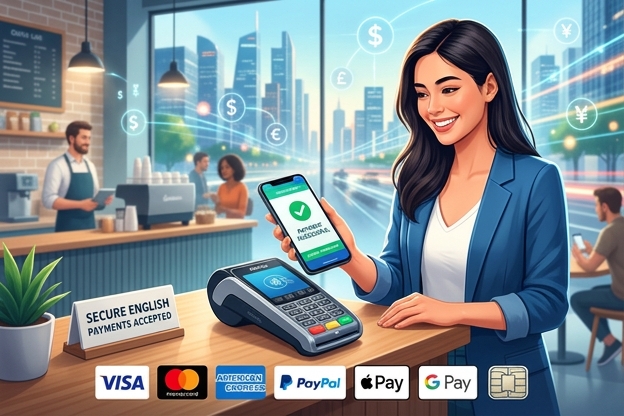
Fintechs, marketplaces, and digital platforms use prepaid card programs for payouts, incentives, and operational spending. This is one of the areas where infrastructure matters most, because network relationships, licensing, and BIN access affect speed to market and acceptance quality.
According to a 2024 Nilson Report industry update, card-not-present transactions continue to make up a growing share of payment volume, which is one reason online-ready prepaid and virtual card programs remain a major focus for issuers and payment platforms. Separately, Juniper Research projected strong growth in virtual card usage across B2B and consumer scenarios through the middle of the decade, driven by fraud management and automation benefits.
How to choose the best prepaid card for online transactions
If you only compare upfront fees, you will miss the factors that determine whether the card is actually useful online. Acceptance, identity verification, funding speed, and decline management usually matter more.
Look at network acceptance first
A prepaid card on a major global network will generally work across more online merchants than a closed-loop or local-only product. Even then, some merchants block prepaid cards for subscriptions, high-risk categories, or recurring billing verification.
Check the card format
Ask whether the card is:
- Virtual only
- Physical plus virtual
- Single-use
- Reloadable
- Domestic only or international
For online purchasing, instant virtual issuance is often the fastest path to usability.
Review the fee stack carefully
Common fees include:
- Card issuance or purchase fee
- Monthly maintenance fee
- Reload fee
- Foreign transaction fee
- Inactivity fee
- ATM fee if cash access is enabled
A card that looks inexpensive at checkout can become costly over time if you reload often or hold balances for long periods.
Understand KYC and compliance requirements
Some low-value prepaid products have lighter onboarding, while reloadable or higher-limit cards often require more identity checks. For regulated programs, that is a feature, not a flaw. It supports fraud reduction and network compliance.
Prepaid card types compared
The right product depends on the business model and spending pattern. The table below compares common prepaid card scenarios that show up in real-world online usage.
| Card Type | Best For | Main Strength | Main Limitation |
|---|---|---|---|
| Reloadable consumer prepaid card | Budgeting, subscriptions, everyday e-commerce | Predictable spending control | May carry monthly or reload fees |
| Virtual prepaid card | Instant online purchases, ad spend, vendor testing | Fast issuance and lower exposure | Some merchants reject virtual-only cards |
| Corporate prepaid expense card | Employee controls, project budgets, SaaS spend | Strong spend controls and reporting | Requires program setup and compliance review |
| Gift-style fixed-load prepaid card | One-time gifts and limited online purchases | Simple and widely understood | Limited reloadability and weaker recurring use |
| Travel or multi-currency prepaid card | Cross-border shopping and travel bookings | FX management and broad international usability | Currency conversion rules may add complexity |
Risks, limitations, and compliance issues
Prepaid cards solve real problems, but they are not magic. The biggest mistake is assuming they behave exactly like credit cards at checkout and behind the scenes.
Merchant acceptance is not universal
Some online merchants place extra checks on prepaid cards, especially for subscriptions, hotel bookings, age-restricted products, or high-fraud categories. Small test authorizations can also create confusion for users with low balances.
Fees can erode value
If the card is used for small balances, recurring maintenance fees matter a lot. A low-balance prepaid product can become inefficient very quickly.
Compliance drives program design
For issuers and fintechs, prepaid programs sit inside a regulated framework that touches KYC, AML, sanctions screening, fraud monitoring, chargeback handling, and network rules. According to the Federal Trade Commission, payment fraud and impostor scams remain persistent risks for consumers, which is one reason issuers continue to tighten controls around digital onboarding and transaction monitoring. In parallel, network and bank compliance expectations have become more demanding for sponsored card programs.
Not every user wants identity verification
Some users seek prepaid cards because they want privacy or speed. But stronger online functionality usually comes with stronger verification. There is tension between convenience and compliance, and serious programs cannot ignore it.
“A prepaid card program succeeds when product, compliance, and processing teams design together. If those functions are separated too early, acceptance and fraud performance usually suffer.”
How BIN sponsorship supports prepaid card programs
For businesses building prepaid card solutions, the real challenge is not merely issuing a card design. It is assembling the issuing bank relationship, network access, processing stack, program governance, and regulatory readiness in a way that can survive due diligence and scale.
That is where BIN sponsorship enters the picture. BIN sponsorship helps fintechs and payment businesses launch card programs by providing access to issuer sponsorship structures and the operational path needed to get a compliant prepaid card product into market.
A practical example from my experience
I worked with a digital platform team that initially thought they only needed virtual cards for marketplace seller expenses. On paper, the idea was simple: instant cards, online-only use, and spending caps. In practice, they hit issues with merchant acceptance, funding timing, and program oversight. The turning point came when the card strategy was rebuilt around issuer requirements, MCC controls, and clearer customer verification flows. BIN sponsorship played a central role by aligning the program structure with sponsoring bank expectations rather than treating issuance as a plug-in feature.
What changed most was not the card art or app UX. It was the reliability of the underlying framework. Approval workflows improved, transaction declines became more understandable, and the business had a stronger path toward sustainable scaling.
Another case that highlighted the difference
I also saw a cross-border commerce operator struggle with prepaid spend cards for contractor payouts and online procurement. Their first approach focused only on speed to launch. That created downstream friction: support tickets climbed, reconciliation was messy, and the business had limited flexibility when compliance questions surfaced. After reworking the program with BIN sponsorship, they introduced cleaner funding rules, better settlement visibility, and more disciplined controls around card usage categories. The result was not flashy, but it was the kind of operational stability that serious payment programs need.
What strong sponsorship support usually includes
- Access to issuing infrastructure and bank sponsorship pathways
- Guidance on program setup, controls, and compliance expectations
- Support for network-enabled card issuing models
- Operational coordination across processor, issuer, and program manager
- Risk-aware scaling for domestic or international card use cases
What is changing in prepaid cards through 2026
The prepaid card market is moving toward more embedded, programmable, and virtual-first models. That is especially true for online commerce and fintech use cases.
Virtual-first issuance is becoming standard
Users increasingly expect instant card issuance inside an app or platform. Waiting for a physical card is becoming less acceptable when the primary use case is online.
Controls are getting more granular
Modern prepaid programs can apply limits by merchant category, geography, amount, time window, device context, or funding source. This matters because online fraud is dynamic; simple spend caps are no longer enough.
Program compliance is moving closer to product design
According to industry commentary from Deloitte and other payment advisors in 2024 and 2025, financial products are increasingly being built with embedded compliance checkpoints rather than bolting controls on later. In prepaid cards, that means onboarding logic, transaction monitoring, and sponsor-bank governance are now core product features.
Cross-border demand keeps rising
Remote work, platform economies, and international digital trade continue to push demand for card products that can be issued, funded, and used across borders without excessive friction.
How to buy and use a prepaid card online
If you are on the user side rather than the issuing side, the process is fairly simple. The details just matter more than people expect.
- Choose the type of prepaid card you need: reloadable, virtual, gift-style, or business expense card.
- Verify whether the card works for domestic only, international, one-time, or recurring online transactions.
- Review all fees, balance rules, and expiration terms before purchase.
- Complete any required identity verification if the product is reloadable or higher limit.
- Load funds and register billing information exactly as required by the issuer.
- Use the card at online checkout and keep enough balance for taxes, shipping, or small authorization holds.
- Monitor transactions and freeze or replace the card quickly if suspicious activity appears.
One detail that causes unnecessary declines is address mismatch. Many online merchants validate the billing address. If your prepaid card issuer allows address registration, make sure it is done correctly before using the card online.
Final thoughts and next actions
Credit Card Prepaid Online: Best Prepaid Cards to Buy & Use Online is ultimately about control. The best prepaid cards help consumers limit risk and manage budgets, while the best prepaid programs help businesses build safer, more scalable payment flows. But the product only works well when acceptance, compliance, and operations are designed together.
BIN sponsorship stands out in this space because prepaid card success is not just about issuing access. It is about structuring the right program foundation so the card can perform in the real world of online payments, fraud controls, and bank oversight.
Recommended next actions from BIN sponsorship:
- Map your exact use case before selecting a prepaid card or launching a program: consumer spend, platform payouts, expense control, or cross-border commerce.
- Evaluate issuer sponsorship, compliance readiness, and transaction control requirements before focusing on front-end UX.
- Run a small pilot with clear success metrics for acceptance rate, support volume, funding speed, and fraud performance.
References
- Nilson Report — Industry reporting on card payment volumes and digital transaction trends relevant to online prepaid usage.
- Juniper Research — Forecasts on virtual card growth and digital payment adoption across consumer and business segments.
- Federal Trade Commission — Consumer fraud and online scam reporting used to frame risk and control needs in payment products.
- Deloitte — Payments industry analysis on embedded compliance, digital issuing, and future payment infrastructure trends.
FAQ
What does Credit Card Prepaid Online: Best Prepaid Cards to Buy & Use Online actually mean?
It usually refers to prepaid cards that can be bought, issued, or loaded digitally and then used for online purchases. Even though many people call them prepaid credit cards, most are prepaid debit products on major card networks.
Are prepaid cards safe for online shopping?
They can be a safer option because they limit exposure to the amount loaded on the card. That said, safety still depends on the issuer’s fraud controls, your registration details, and whether the merchant accepts prepaid cards properly.
Can I use a prepaid card for recurring subscriptions?
Sometimes, yes. Some prepaid cards support recurring billing well, while others are better for one-time purchases. Always confirm card-on-file and recurring transaction support before relying on a prepaid card for subscriptions.
Why do some online merchants decline prepaid cards?
Common reasons include merchant rules against prepaid cards, billing address mismatch, low balance, small preauthorization holds, cross-border restrictions, or higher fraud screening on card-not-present transactions.
What should businesses look for when launching an online prepaid card program?
They should evaluate issuer sponsorship, compliance readiness, transaction controls, processor compatibility, network acceptance, reporting, and operational workflows for declines, disputes, and fraud alerts. That is where providers such as BIN sponsorship can add strategic value.
Are virtual prepaid cards better than physical prepaid cards for online use?
For pure online use, virtual prepaid cards are often faster and more convenient because they can be issued instantly. Physical cards still help when users want broader acceptance, backup access, or occasional in-person transactions.