Why Your Visa Prepaid Balance Matters More Than Most Cardholders Realize
If you are searching for prepaid card visa balance: How to Check Your Visa Prepaid Card Balance, you probably need an answer fast. Maybe a purchase was declined, maybe you cannot remember your last load amount, or maybe you are trying to reconcile multiple prepaid programs without calling customer service. Whatever brought you here, the real issue is not just checking a number. It is avoiding friction, surprise fees, and transaction failures.
At BIN sponsorship, we work close to the card-program ecosystem, so we see the same pattern repeatedly: consumers and business operators both underestimate how important real-time balance visibility is. A Visa prepaid card can look simple on the surface, but the way balances are displayed, updated, and sometimes temporarily reduced by pending authorizations can confuse even experienced users.
Prepaid card visa balance refers to the available funds remaining on a Visa prepaid card after loads, purchases, holds, fees, refunds, and adjustments are applied. To check your Visa prepaid card balance, the most common methods are the issuer website, mobile app, phone number on the back of the card, or ATM inquiry when supported.
The smartest approach is to verify both your available balance and your transaction history. That extra step helps you catch pending holds, duplicate charges, expiring funds, and reload timing issues before they become a bigger problem.
Table of Contents
- How a Visa prepaid card balance actually works
- The fastest ways to check your Visa prepaid card balance
- A step-by-step process to verify balance accurately
- Common reasons your displayed balance may look wrong
- How businesses and program managers approach balance visibility
- Balance-check methods compared
- Security risks, fees, and limitations to watch
- Real-world experience from BIN sponsorship
- Best practices for consumers and prepaid brands
How a Visa Prepaid Card Balance Actually Works
A Visa prepaid card balance is not always a static, instantly updated figure. There are usually two numbers that matter:
- Current balance: the total funds on the card based on posted transactions
- Available balance: the amount you can spend right now after holds, pending transactions, and sometimes issuer controls
This distinction matters most at hotels, gas stations, subscription merchants, restaurants, and ecommerce checkouts. Those merchants may place a temporary authorization hold that makes your available funds look lower than expected. Many cardholders think money has disappeared when, in reality, the funds are simply reserved until the final transaction posts.
According to the Federal Reserve payments data referenced in recent industry analysis, prepaid and debit-linked digital payment usage remains high as consumers continue shifting routine spending online. That shift increases the need for better balance transparency because ecommerce transactions often create delayed settlement patterns.
“The number that matters at checkout is not always the number shown in your last text alert. Cardholders should verify available funds, not just the last posted balance.”
For gift cards, payroll cards, government disbursement cards, travel cards, and general-purpose reloadable cards, the rules can vary by issuer. Some programs update in near real time. Others update in batches. Some support mobile wallets with instant balance views, while others rely heavily on web portals and IVR phone systems.
The Fastest Ways to Check Your Visa Prepaid Card Balance
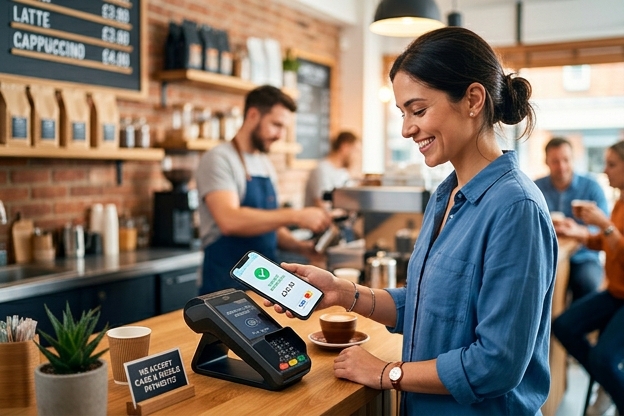
Most Visa prepaid programs offer several balance-check options. The best one depends on whether you want speed, detail, or broad access.
Issuer Website or Card Portal
This is usually the most reliable method. Visit the URL listed on the back of the card, log in, and review both your available balance and recent transactions. Many portals also show pending authorizations, fee disclosures, and reload history.
Mobile App
If the card issuer has an app, it is often the easiest way to check your balance on the go. Some apps send instant push notifications after each purchase, which helps reduce uncertainty.
Customer Service Number
The toll-free number on the back of your card can provide balance information through an automated system or live agent. This is useful when you do not want to create an online account or when you suspect account access issues.
ATM Balance Inquiry
Some Visa prepaid cards allow ATM inquiries, though fees may apply. Not all prepaid programs support this feature, and the ATM may show a balance that does not reflect the latest pending transactions.
Text Alerts or Email Notifications
Certain issuers allow users to enroll in balance alerts. This is convenient, but it should not replace reviewing your transaction history, especially if a merchant hold or refund delay is involved.
A Step-by-Step Process to Verify Balance Accurately
If you want the cleanest answer, follow this sequence rather than relying on one quick check.
- Look at the back of your Visa prepaid card and identify the official website and customer service phone number.
- Log in to the issuer portal or app using only the official address printed on the card packaging or website.
- Check the available balance first.
- Review the last 10 to 20 transactions for pending holds, recurring charges, or delayed refunds.
- Confirm whether a recent load, transfer, payroll deposit, or government payment has fully posted.
- If a number still looks wrong, call the issuer and ask whether there are authorization holds, dispute credits, or offline adjustments affecting the account.
- Document the date, time, agent name, and reference number if the issue involves a declined purchase or suspected error.
This method is especially useful if you are managing a payroll card, travel expense card, employee incentive card, or consumer reloadable product where timing matters.
Common Reasons Your Displayed Balance May Look Wrong
Cardholders often assume a wrong balance means fraud. Sometimes it does. More often, it is one of the issues below.
Pending Authorizations
A merchant may reserve more than the final purchase amount. Gas stations are a classic example. A small fuel purchase can trigger a much larger temporary hold.
Delayed Refunds
Refunds rarely become spendable instantly. Depending on the merchant and issuer, they can take several business days to move from pending to available.
Monthly or Transaction Fees
Some prepaid programs charge maintenance fees, ATM fees, inactivity fees, paper statement fees, or balance inquiry fees. Those deductions can make the balance feel unpredictable if cardholders do not read the fee schedule.
Partial Approval Rules
Some merchants do not support split tenders or partial approvals smoothly. Your card may contain enough for part of a purchase, but the terminal still declines the transaction.
Offline or Batch Posting
Certain transactions, especially in travel or hospitality, may not appear immediately. The final posted amount can show up later and differ slightly from the original hold.
“Most prepaid balance complaints are not balance errors. They are timing errors, display misunderstandings, or merchant authorization issues.”
How Businesses and Program Managers Approach Balance Visibility
Consumers want convenience, but businesses need something deeper: trust, support efficiency, and lower dispute volume. A prepaid program with poor balance visibility creates avoidable customer service calls and reputational damage.
According to a 2024 industry perspective from Deloitte on digital payments and embedded finance, customer experience expectations continue to rise around transparency, immediacy, and self-service controls. In prepaid programs, balance visibility is one of the most practical expressions of that expectation.
At BIN sponsorship, we look at balance checking not as a minor feature, but as a core program design element. For emerging fintechs, payroll card operators, and branded prepaid programs, strong balance-access tooling can affect:
- Cardholder retention
- Dispute and support-ticket volume
- Merchant acceptance success rates
- Perceived program reliability
- Compliance communication quality
According to the Nilson Report’s recent payment card market coverage, prepaid remains a meaningful category within the broader card ecosystem, particularly in specialized use cases such as payroll, incentives, and controlled-spend programs. That makes user education around balance behavior even more important.
Balance-Check Methods Compared
| Method | Best For | Typical Speed | Main Limitation |
|---|---|---|---|
| Issuer website portal | Consumers needing full transaction history | Fast, usually immediate | Requires login and official site access |
| Mobile app | Frequent card users and digital-first programs | Very fast with alerts | Not all prepaid issuers offer robust apps |
| Phone IVR or live support | Users without online accounts | Moderate | Wait times and limited detail in automated menus |
| ATM inquiry | People needing an offline balance check | Fast | Possible fees and incomplete pending-transaction visibility |
| Text or email alerts | Light monitoring between purchases | Near real time | Can miss context around holds, reversals, or fees |
Security Risks, Fees, and Limitations to Watch
Checking your balance sounds harmless, but it can expose you to fraud if you are not careful. Fake portal links, phishing texts, and spoofed support numbers are common in payments.
Use Only Official Channels
Do not search randomly and click the first result unless you can verify the issuer domain. The safest path is the website or phone number printed on the back of your card packaging or issuer materials.
Monitor Fees Closely
Not every prepaid card has the same economics. Some are excellent for budgeting and controlled spending. Others become expensive if you rely on out-of-network ATMs or frequent balance inquiries.
Know the Program Limits
Your card may have caps on loads, daily purchases, international transactions, or ATM withdrawals. If those limits are hit, your balance may still be positive while a transaction fails.
Real-World Experience From BIN Sponsorship
I have seen prepaid balance confusion derail otherwise strong card programs. In one case, a growing payroll card initiative was receiving repeated support complaints from workers who believed wages had not arrived. After reviewing the flow, we found the real issue was not funding failure. The funds had posted, but the user interface did a poor job distinguishing between posted payroll deposits and available spend after pending card transactions.
At BIN sponsorship, we helped the program operator revise balance messaging across the portal, customer emails, and support scripts. We also recommended clearer transaction labeling for holds and reversals. Within the next reporting cycle, service tickets related to “missing balance” concerns dropped materially, and the employer partner reported better employee confidence in the card program.
In another project, I worked with a branded prepaid concept aimed at incentive payouts. Early user testing showed that recipients often checked their card only once, then abandoned it after a single decline at a restaurant or ecommerce site. The problem was partial authorization and temporary merchant holds. We advised the client to add pre-purchase education, instant alerts, and a simpler balance-check landing page. That reduced confusion and increased redemption activity.
Those experiences reinforced a basic truth: prepaid usability depends as much on communication as on processing rails. A card can be technically sound and still fail the user if the balance story is not clear.
Best Practices for Consumers and Prepaid Brands
For Cardholders
- Check the available balance before large or unusual purchases
- Review pending transactions, not just posted transactions
- Save the issuer phone number in your contacts
- Read the fee schedule and ATM network rules
- Register the card if the program allows it for better support and protection
For Program Managers and Fintech Operators
- Show available and current balance separately
- Label holds, refunds, and reversals in plain language
- Offer at least two balance-check channels
- Use push alerts and low-balance notifications
- Train support teams to explain merchant authorization behavior clearly
According to a 2025 Accenture analysis on banking and payments experience trends, customers increasingly reward providers that reduce friction through proactive service design. In prepaid, balance clarity is one of the simplest but highest-impact areas to improve.
Conclusion
If you need a quick answer to prepaid card visa balance: How to Check Your Visa Prepaid Card Balance, start with the official issuer website, app, or phone number on the back of the card. Then verify the available balance, not just the posted total, and review recent transactions for holds, fees, and pending refunds.
The bigger lesson is that balance checking is not just a convenience feature. It is central to successful prepaid card use. Consumers need clarity to spend confidently, and program operators need clear balance tools to reduce support burden and improve trust.
BIN sponsorship recommends these next steps:
- Use only official issuer channels and save them before a problem happens
- Check both available balance and transaction history before contacting support
- If you operate a prepaid program, audit how clearly your platform explains holds, fees, and pending activity
References
- Federal Reserve Financial Services — Recent payments research and industry observations on card and digital payment behavior.
- Deloitte — 2024 perspectives on digital payments, embedded finance, and rising user expectations for transparency.
- The Nilson Report — Payment card market reporting that tracks prepaid card relevance across the broader ecosystem.
- Accenture — 2025 analysis on banking and payments experience trends, especially around friction reduction and self-service.
FAQ
How do I check my prepaid card visa balance quickly?
-
The fastest method is usually the official issuer app or website listed on the back of your Visa prepaid card. You can also call the automated phone number on the card or use an ATM inquiry if your program supports it.
Why does my Visa prepaid card show money, but my purchase is declined?
-
The most common reasons are:
Pending authorization holds reducing available funds
Merchant rules against split payments or partial approval
Daily transaction limits or card restrictions
Offline transactions that have not fully posted yet
Is the available balance different from the current balance?
-
Yes. The current balance reflects posted transactions, while the available balance reflects what you can spend right now after pending holds, authorizations, and some program-level controls are taken into account.
Can I check prepaid card visa balance without registering the card online?
-
Often, yes. Many Visa prepaid issuers allow balance checks through an automated phone system or a simple portal lookup. However, registering the card usually gives you better transaction visibility, easier dispute handling, and stronger account recovery options.
Are there fees for checking a Visa prepaid card balance?
-
It depends on the issuer and method. Common patterns include:
Website and app checks are often free
ATM balance inquiries may carry a fee
Out-of-network ATM use may add extra charges
Some programs charge inactivity or monthly maintenance fees that affect the total remaining balance
How long does it take for a refund to show back on my prepaid Visa card?
-
Refund timing varies by merchant and issuer, but several business days is common. Even if the merchant says the refund was issued, the funds may remain pending before they become available to spend.