Why the eMoney App Matters for Modern Banking Users
If you are comparing digital finance tools, the phrase emoney app: Features, Fees, Security & How to Get Started usually comes up for one reason: people want faster payments, cleaner budgeting, and fewer surprises than they get from traditional banking interfaces. They also want to know what they are giving up in exchange for convenience, especially around fees, support, privacy, and account protections.
That is where practical evaluation matters. At BIN sponsorship, we work close to payment infrastructure, card issuing, and fintech onboarding questions, so we know the gap between a slick app store description and real-world usability can be wide. Users do not just need a list of features. They need a grounded view of how an eMoney app performs when money is actually moving.
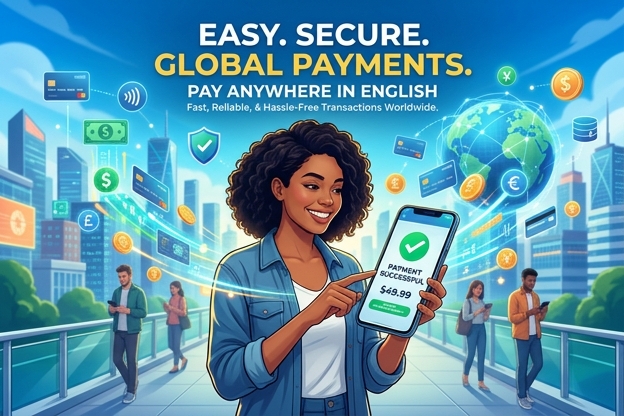
An eMoney app is a mobile or web-based financial application that lets users store, send, receive, and manage digital money. Depending on the provider, it may support peer-to-peer transfers, bill pay, prepaid cards, international remittances, virtual cards, budgeting tools, and merchant payments.
In plain terms, it sits between cash and full-service banking: more flexible than a basic wallet, but sometimes narrower than a traditional bank account. The right choice depends on how you use money day to day, what fees you can tolerate, and how much regulatory protection you expect.
Table of Contents
- What an eMoney App Really Does
- Core Features Users Should Expect
- Fees, Hidden Charges, and Cost Triggers
- Security, Compliance, and Account Safety
- How Different Use Cases Compare
- How to Get Started Without Mistakes
- What We Have Seen at BIN sponsorship
- Benefits, Risks, and Limits
- Smart Practices Before You Commit
What an eMoney App Really Does
An eMoney app is built around electronically stored value. That value can be loaded by bank transfer, debit card, payroll input, merchant settlement, or incoming transfers from other users. Once funds are available, the app may let you make purchases, transfer money, hold multiple currencies, issue cards, or track spending in real time.
The important distinction is that not every eMoney app is a bank. Some are licensed electronic money institutions. Some operate through sponsor banks. Some combine wallet functions with card issuing and payment acceptance. For users, this means the experience may feel bank-like while the legal structure behind the scenes is different.
According to the Federal Reserve’s more recent digital payments observations, consumers continue shifting toward card-not-present and mobile-first transactions, especially for smaller recurring payments and person-to-person transfers. That shift explains why eMoney apps now compete not only with wallets, but with checking accounts, prepaid products, and even small-business payment stacks.
“The strongest eMoney products win on trust, not novelty. Users stay when balances move fast, support responds clearly, and the fee logic is easy to understand.”
That is the benchmark you should use: not whether the interface looks modern, but whether the app reduces friction without adding financial ambiguity.
Core Features Users Should Expect
Not all eMoney apps offer the same depth. Some are narrow transfer tools. Others include cards, rewards, budgeting, and even business payment flows. Before signing up, check whether the app matches your actual use case rather than the provider’s marketing pitch.
Payments and Transfers
This is the foundation. Most users expect instant or near-instant internal transfers, ACH or local bank transfer support, QR code payments, and card-based funding. If you send money internationally, foreign exchange spreads matter just as much as the visible transfer fee.
Card Access and Spending Controls
Many eMoney apps now offer physical or virtual cards. Stronger products let you freeze cards instantly, set transaction limits, create disposable virtual card numbers, and view merchant-level transaction details. These controls are especially useful for subscriptions and online shopping.
Budgeting and Financial Visibility
Some apps do a solid job categorizing transactions and surfacing patterns. Others still treat money management as an afterthought. If you rely on an app to control spending, look for cash-flow calendars, recurring payment alerts, category spend reports, and low-balance notifications.
Multi-Currency and Travel Utility
For freelancers, travelers, and cross-border families, a strong eMoney app can outperform a standard bank account on speed and transparency. The real test is whether the app supports local payouts, fair conversion rates, and straightforward ATM or card spending rules abroad.
- Instant peer-to-peer transfers
- Virtual and physical card options
- Real-time transaction alerts
- Bill pay or merchant payment support
- Multi-currency balances
- Budgeting dashboards and spend categories
- Merchant dispute and chargeback workflows
Fees, Hidden Charges, and Cost Triggers
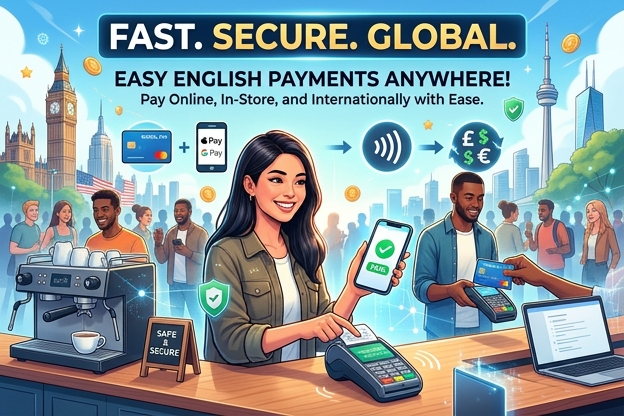
Fees are where users most often misjudge an eMoney app. A platform may look inexpensive because account opening is free, but your real cost profile depends on how you fund the account, withdraw money, transfer across borders, and maintain inactivity.
Common fee categories include onboarding, monthly service charges, top-up fees, ATM withdrawals, foreign exchange spreads, expedited transfers, card replacement, and dormant account charges. For business-oriented wallets, you may also see settlement fees, refund fees, and payout markups.
According to Deloitte’s 2024 digital banking insights, customers rank transparent pricing among the strongest drivers of trust and retention. That makes sense. Most users can tolerate a fee they understand. They abandon apps when the fee model feels unpredictable.
Where Costs Usually Show Up
Card-funded top-ups are a classic example. A provider may allow free bank transfers while charging for debit or credit card loads. Another common issue is the FX spread. An app may claim low-cost international payments while earning margin through exchange rates rather than visible service fees.
Questions to Ask Before Funding an Account
- Is there a monthly or annual account maintenance fee?
- Are bank transfers free on both inbound and outbound flows?
- Does the app charge for faster withdrawals or same-day access?
- What is the real foreign exchange spread versus mid-market rates?
- Are ATM withdrawals capped or free only up to a threshold?
- Will inactivity trigger penalties after a set period?
If you are a heavy card user, compare total monthly behavior cost, not just signup pricing. A “free” account can become expensive quickly if your pattern includes cash withdrawals, cross-border usage, or frequent instant cash-outs.
Security, Compliance, and Account Safety
Security is not just about passwords and face ID. With an eMoney app, you should care about safeguarding structure, fraud monitoring, account recovery, card controls, and the legal framework around stored funds.
Authentication and App-Level Controls
At minimum, look for biometric login, device-based verification, suspicious login alerts, transaction confirmations, and customizable spending controls. Better apps also let you freeze cards, disable magstripe transactions, block international usage, and control contactless payments.
Fund Protection and Regulatory Structure
Electronic money providers often safeguard customer funds through segregated accounts or equivalent structures, depending on jurisdiction. That is useful, but it is not always identical to bank deposit insurance. Users need to understand the difference between safeguarded funds and insured deposits.
Fraud, Disputes, and Human Support
Security also includes what happens after something goes wrong. If your account is locked, your card is used fraudulently, or a transfer is misdirected, can you reach support quickly? Many users only realize the value of live support after a high-stress incident.
IBM’s 2024 Cost of a Data Breach Report showed that identity- and credential-related weaknesses remain central to financial risk exposure across digital systems. For app users, that translates into one practical lesson: strong providers build layered security, but users still need disciplined device hygiene, unique passwords, and fast anomaly reporting.
“Good security is visible before the crisis and responsive during it. If support is impossible to reach, the security story is incomplete.”
How Different Use Cases Compare
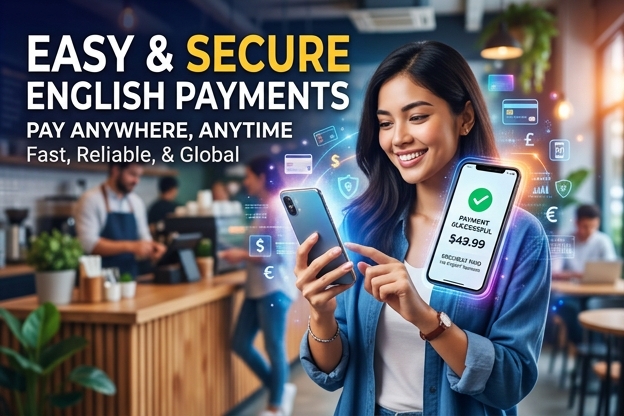
A good eMoney app for a college student may be the wrong one for an online seller or a cross-border contractor. The right fit depends on transaction type, support expectations, and fee sensitivity.
| User Type | Most Important Features | Biggest Fee Risks | Best Fit Profile |
|---|---|---|---|
| College student | Instant transfers, budgeting alerts, virtual card | ATM fees, instant cash-out charges | Low-balance management and shared expenses |
| Freelancer | Multi-currency support, invoice payouts, virtual cards | FX spread, withdrawal timing fees | Cross-border income and expense separation |
| Small e-commerce seller | Merchant settlement, card issuing, spend controls | Refund fees, settlement markups | Operational cash flow and ad spend tracking |
| Frequent traveler | Low-FX card spending, travel alerts, ATM access | Foreign ATM charges, weekend FX markup | Flexible spending across regions |
| Family remittance user | Fast transfers, recipient ease, local payout options | Transfer fees, hidden conversion spreads | Reliable recurring support for international sending |
How to Get Started Without Mistakes
Most signup problems are avoidable. Users tend to rush through account creation, skip fee disclosures, and only check identity rules after they hit a transfer limit. A better approach is to treat onboarding like a product audit.
Set Up the Account the Right Way
- Download the official app from the verified app store listing.
- Create your account with an email and phone number you control long term.
- Enable biometric login and two-factor authentication immediately.
- Complete identity verification before you need higher transaction limits.
- Read the fee schedule and card terms before loading funds.
- Start with a small transfer or low-value purchase to test speed and alerts.
- Link only the funding sources you truly plan to use.
Check Limits Before You Depend on It
Many apps separate unverified, partially verified, and fully verified users. That affects daily load amounts, transfer caps, cash withdrawals, and card issuance. If you expect business-like usage from a consumer-grade account, you may run into blocks quickly.
Keep Records From Day One
Save your onboarding emails, card shipping confirmations, support tickets, and transaction receipts. This sounds basic, but it matters if you ever need to challenge a charge, prove ownership, or recover access after a device change.
What We Have Seen at BIN sponsorship
At BIN sponsorship, we often talk with founders and operators who are trying to decide whether an eMoney app should sit at the center of their user journey or just serve as one payment rail among several. One recurring lesson is that product-market fit in fintech is often disguised as operational reliability.
I remember working with a growing digital commerce team that loved the speed of wallet-based settlement, but their chosen app had weak reconciliation tools. On paper, fees looked competitive. In practice, finance staff spent hours matching payouts, refunds, and ad-spend card activity. Once we helped them review alternatives through a payments-operations lens rather than a pure marketing lens, they shifted to a setup with stronger spend controls and cleaner reporting. Their finance team saved time every week, and dispute handling became far less chaotic.
In another case, I spoke with a founder using an eMoney app for contractor payouts across multiple regions. The app was popular with users because onboarding was fast, but support lagged during verification reviews. That created payroll friction at exactly the wrong moment. What fixed the issue was not abandoning digital money tools altogether. It was choosing a provider stack with clearer compliance escalation and better visibility into KYC status. That distinction matters: the best solution is rarely “use more fintech” or “use less fintech.” It is “use the right rails for the risk level.”
Benefits, Risks, and Limits
There is a reason eMoney apps keep gaining ground. They can dramatically simplify everyday finance, especially for users who need faster movement, cleaner UX, and more visibility than legacy interfaces provide.
Where eMoney Apps Shine
- Fast onboarding compared with many traditional financial products
- Convenient peer-to-peer and merchant payment experiences
- Real-time notifications that improve spending awareness
- Flexible card controls and virtual card issuance
- Useful cross-border features for certain users
Where Users Get Burned
- Confusing or layered fees that only appear under active use
- Account reviews or freezes during compliance checks
- Limited human support when urgent access issues happen
- Different legal protections than a standard insured bank deposit
- Transfer or withdrawal limits that constrain heavier users
Who Should Be More Cautious
If you hold large balances, manage payroll, operate in regulated sectors, or rely on daily business continuity, do not assume one eMoney app should be your only financial hub. It may be an excellent layer in your stack, but concentration risk is real. Keep backups for funding, withdrawals, and customer support paths.
Smart Practices Before You Commit
The best users are not the ones who chase the most features. They are the ones who match the product to the job. A student splitting rent has a different definition of value than a seller funding ad campaigns or a traveler managing multiple currencies.
Use this short checklist before committing:
- Map your top three transaction types
- Estimate monthly funding and withdrawal behavior
- Check whether the provider is regulated in your region
- Review dispute handling and support response options
- Test with a small balance before making it a primary tool
- Keep a backup payment method outside the app
McKinsey’s more recent work on digital payments has reinforced a broader market truth: growth follows trust, and trust follows reliability. In this category, the winning app is usually the one that makes money movement feel boring in the best possible way.
Conclusion
The right eMoney app can make spending, transfers, and money management faster and more transparent, but only if you evaluate the full picture: features, real usage fees, support quality, account controls, and the legal protections behind stored funds. Convenience matters, yet clarity matters more.
At BIN sponsorship, our view is simple: choose an eMoney app based on operational fit, not hype. If you are comparing providers, the most effective next actions are to review the fee schedule line by line, test the onboarding and support flow with a low-risk transaction, and confirm whether the app’s compliance and safeguarding structure aligns with how much money you plan to hold.
References
- Federal Reserve — Consumer and payments research that helps explain continued growth in digital and mobile transaction behavior.
- Deloitte 2024 digital banking insights — Useful context on customer expectations around transparency, trust, and digital financial experiences.
- IBM Cost of a Data Breach Report 2024 — Security perspective on identity, credential risks, and the business impact of weak controls.
- McKinsey digital payments research — Industry-level analysis of payment innovation, user adoption, and platform trust.
FAQ
What is an eMoney app?
An eMoney app is a digital finance application that stores electronic value and lets users send, receive, spend, or manage money through a mobile device or web account. Some also provide cards, budgeting tools, and international payment features.
Is the emoney app: Features, Fees, Security & How to Get Started question really about choosing the right provider?
Yes. Most users searching for emoney app: Features, Fees, Security & How to Get Started are really trying to compare providers and avoid costly mistakes. The best choice depends on your transfer habits, fee sensitivity, need for live support, and comfort with the provider’s regulatory structure.
Are eMoney apps safe to use?
They can be safe when the provider uses strong controls and the user follows basic security habits. Look for:
Biometric login and two-factor authentication
Real-time transaction alerts
Clear fraud reporting and charge dispute processes
Transparent information about safeguarding or deposit protection
What fees should I check before signing up?
Check the full fee schedule, not just the headline rate. Focus on:
Monthly maintenance charges
Card top-up fees
ATM withdrawal fees
Foreign exchange spreads
Instant transfer or fast cash-out fees
Inactivity or card replacement charges
Can an eMoney app replace my bank account?
Sometimes, but not always well. For light everyday spending and transfers, an eMoney app may be enough. For large balances, payroll, lending, checks, and broader deposit protections, a traditional bank account or a hybrid setup is often the safer choice.
How much money should I load at first?
Start small. A low-risk test deposit or purchase helps you confirm onboarding, alerts, settlement speed, and support responsiveness before you rely on the app for larger amounts.